July 9, 2026
The natural movement of water across a landscape is a powerful force that can simultaneously sustain life and alter terrain. When unmanaged, heavy rainfall, seasonal snowmelt, and intense storm events can quickly turn into destructive torrents, overwhelming properties and causing widespread soil loss. Effective land management relies heavily on understanding how topography influences water movement. Without structured intervention, unchecked moisture can lead to severe flooding, compromised structural foundations, and the rapid depletion of valuable topsoil. Consequently, shaping the earth correctly remains a fundamental prerequisite for any successful residential, commercial, or agricultural development project.
Achieving a stable, well-drained landscape requires specialized knowledge and heavy machinery capable of reconfiguring natural contours. Earthmoving processes do not merely prepare a site for building foundations; they establish the crucial infrastructure needed to control environmental forces. Proper ground modification redirects surface moisture away from critical structures, distributes downpours evenly across designated retention areas, and stabilizes loose earth before it can wash away. This article explores how strategic land contouring mitigates property damage, preserves natural habitats, and ensures long-term environmental sustainability.
Analyzing Landscape Topography
Before a single shovel of dirt is moved, a comprehensive assessment of the existing terrain is absolutely essential. Every property possesses unique natural contours, soil compositions, and drainage patterns that dictate how moisture behaves during a storm. Professional technicians evaluate where moisture naturally collects, identify low-lying zones prone to saturation, and trace the path that surface runoff takes across the property lines. This analytical phase allows operators to design a custom modification strategy tailored to the specific vulnerabilities of the parcel.
By identifying natural swales, steep slopes, and areas of dense vegetation, planners can create an earthmoving map that works with the existing environment rather than against it. Attempting to completely block the natural flow of water often results in catastrophic failure elsewhere on the property. Instead, strategic earthmoving seeks to guide, slow down, and safely disperse runoff. Partnering with a skilled local excavation service ensures that these critical geological surveys are conducted accurately, preventing costly downstream problems and establishing a reliable blueprint for all subsequent grading activities.
Establishing Protective Slopes
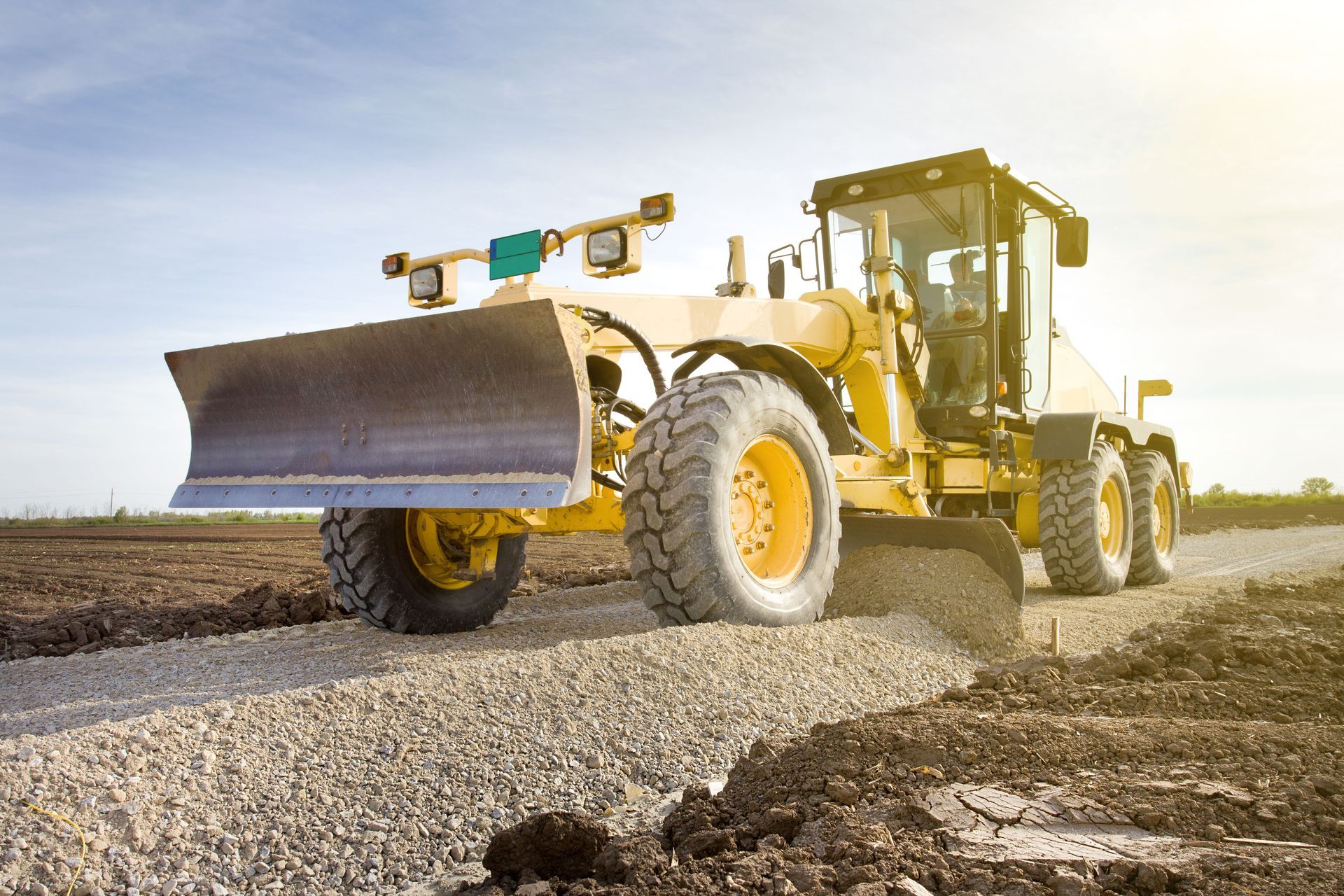
Creating the correct grade, or slope, is the most effective method for keeping water away from residential and commercial structures. When land is completely flat or slopes toward a building, pooling water will eventually seep into foundations, crack concrete slabs, and flood basements. Earthmoving crews solve this issue by meticulously cutting and filling soil to establish a gentle downward slope that moves moisture away from building perimeters toward safe discharge areas.
This process requires extreme precision, as the slope must be steep enough to encourage steady drainage but gradual enough to prevent high-velocity runoff that strips away topsoil. Operators utilize advanced laser-leveling equipment to confirm that the ground falls away from structures consistently. This careful recontouring forms the first line of defense for a building envelope, ensuring that even during torrential downpours, the immediate surroundings remain stable, dry, and free from hydrostatic pressure.
Creating Retention Basins
When managing large volumes of surface runoff, simply moving the water elsewhere on a property is often insufficient. High-volume storms can easily overwhelm municipal storm sewers and neighboring parcels if the water is allowed to leave a site completely unchecked. To address this challenge, earthmoving professionals construct specialized collection areas, such as retention ponds and detention basins, to capture and hold excess runoff temporarily.
Building these basins requires substantial heavy equipment to dig out deep reservoirs and reinforce the surrounding embankments. Once constructed, these areas act as temporary holding zones, collecting rapid surges of stormwater and allowing it to slowly infiltrate the ground or drain away at a controlled, harmless rate. This practice not only protects the immediate property from flash flooding but also reduces the burden on local infrastructure. Relying on a professional local excavation service to calculate the necessary volume capacity and excavate these features properly guarantees that the system will perform reliably during historic weather events.
Cutting Drainage Trenches
For properties experiencing chronic saturation or complex runoff paths, installing subsurface or surface channel networks provides a highly efficient solution. Earthmoving machinery is utilized to cut precise trenches through the landscape, which are then lined with permeable fabrics, gravel, and perforated pipes to form French drains or open drainage ditches. These channels intercept groundwater and surface runoff before it can pool in critical areas.
The depth and slope of these trenches must be calculated carefully to ensure continuous flow toward a designated outlet, such as a creek or a retention basin. If a ditch is too shallow or lacks a proper decline, water will stagnate, creating breeding grounds for pests and causing local bank collapse. Properly dug channels effectively lower the water table in swampy zones, turning previously unusable, waterlogged land into functional yards, pastures, or building sites.
Installing Terraces on Slopes
Steep hillsides present the greatest risk for severe soil erosion, as gravity accelerates the speed of moving water, allowing it to dislodge and carry away vast quantities of earth. To stabilize these vulnerable zones, earthmoving operators use terracing techniques to transform a continuous, steep incline into a series of flat, step-like platforms. This method breaks the momentum of down-slope water movement, significantly reducing its destructive potential.
Each flat terrace layer acts as a mini-catchment zone, slowing down the runoff and giving the moisture an opportunity to soak directly into the soil. The vertical walls between terraces are typically reinforced with retaining structures or deep-rooted vegetation to ensure long-term stability. This sophisticated form of land alteration prevents deep gullies from forming, protects lower-lying structures from mudslides, and creates beautiful, usable tiers for landscaping or agricultural production.
Utilizing Professional Equipment
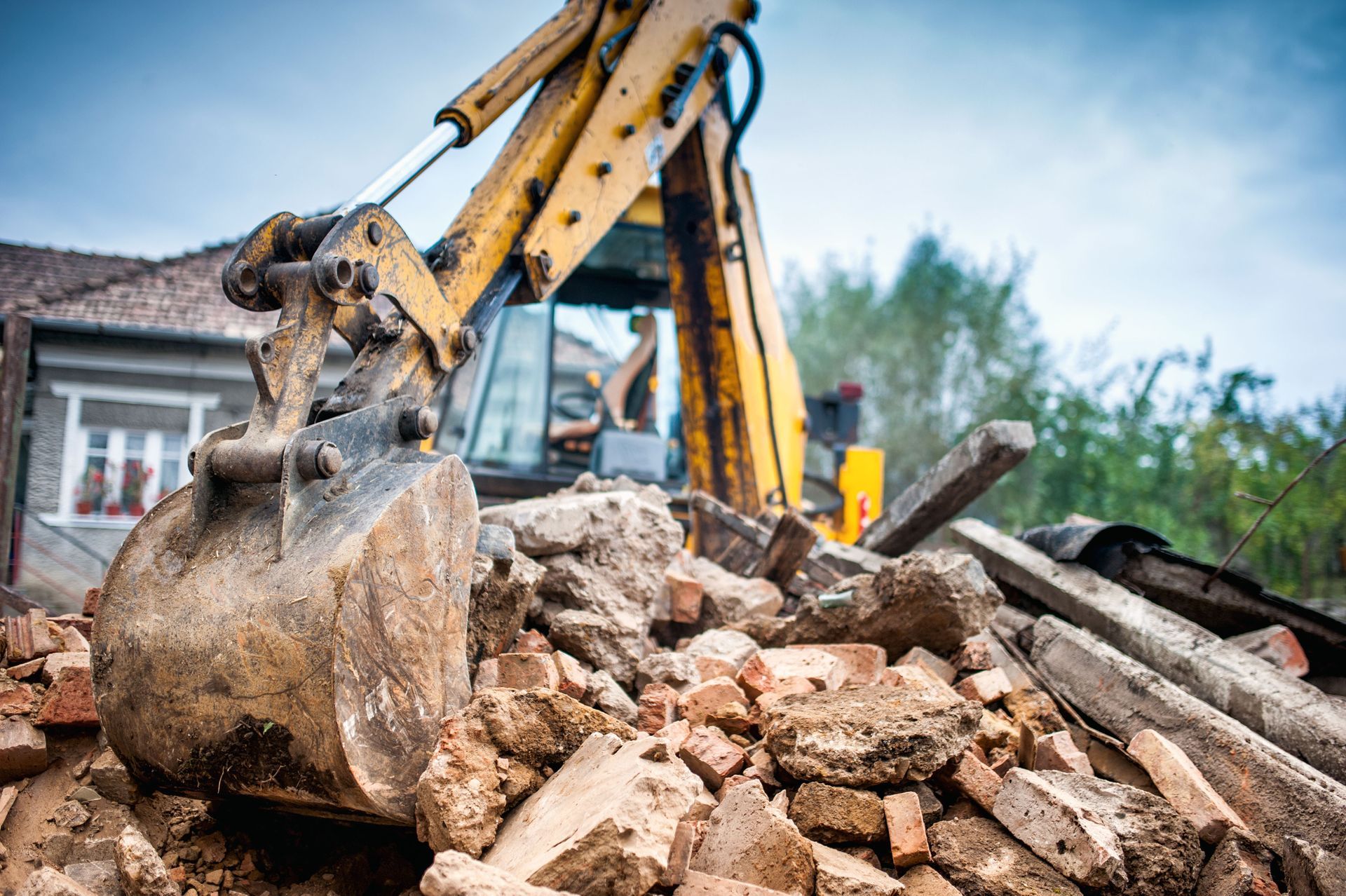
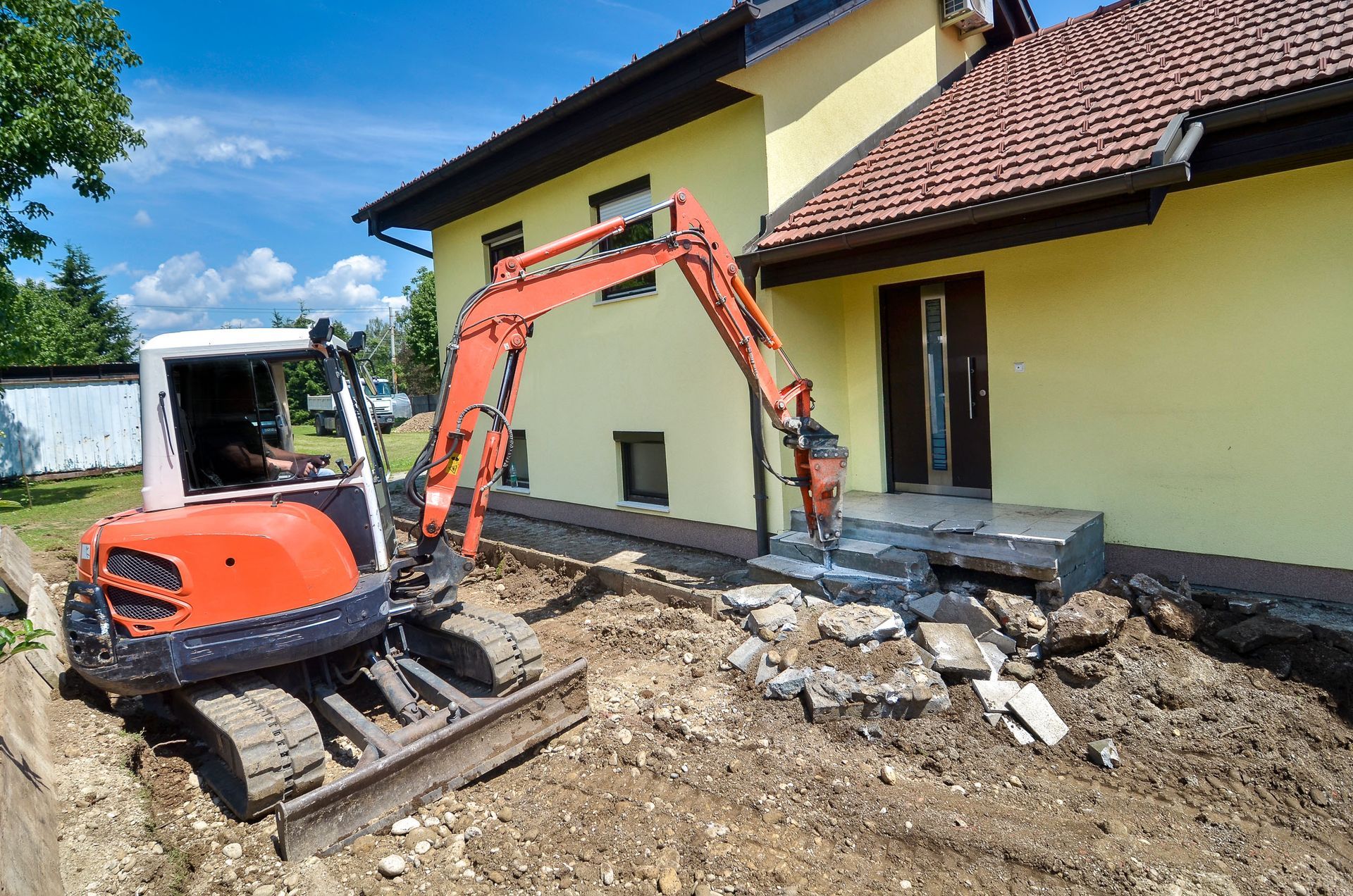
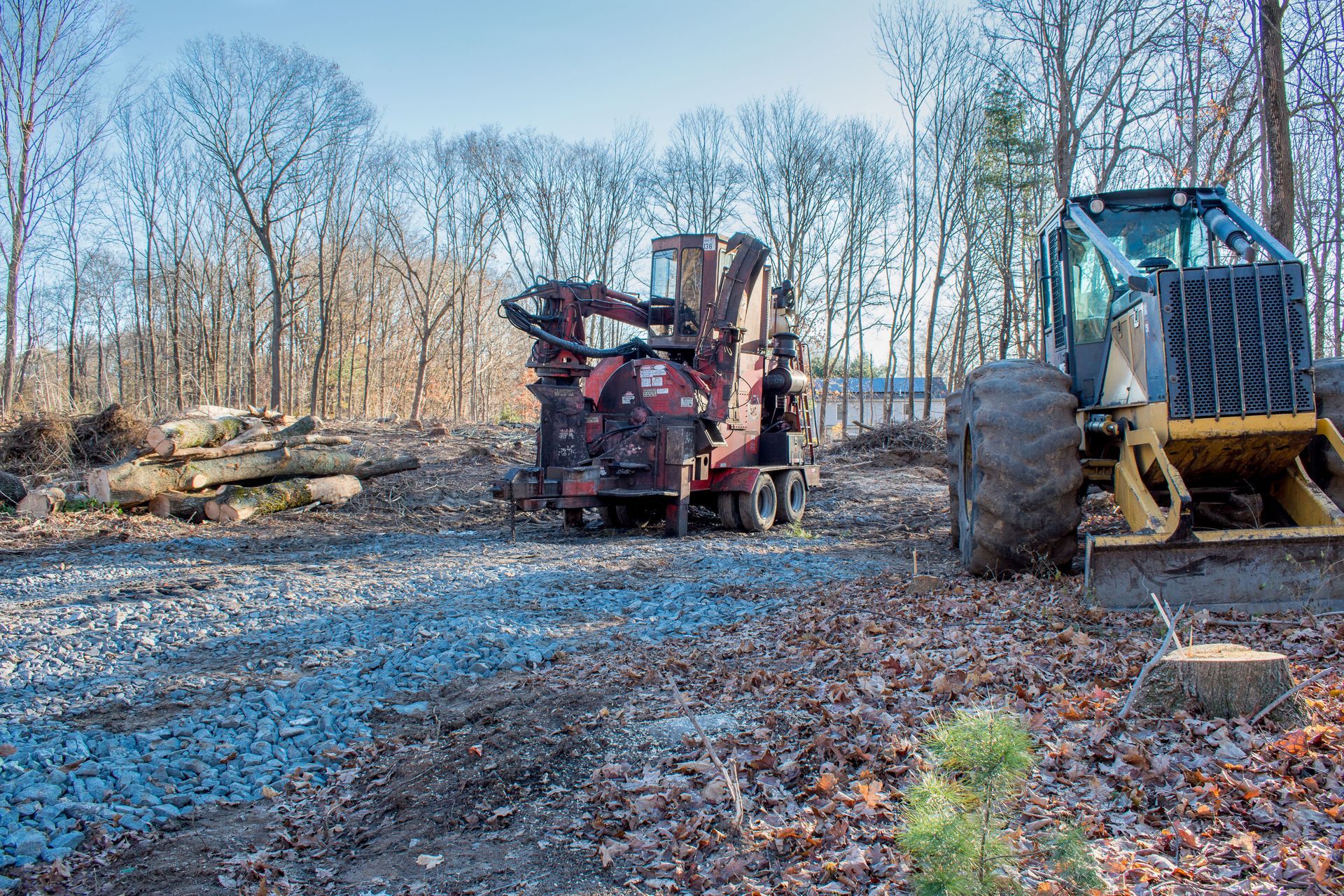
The scale and complexity of effective water management projects require specialized machinery that goes far beyond the capabilities of basic consumer tools. Standard commercial projects involve moving hundreds of tons of earth, rock, and clay to achieve the precise elevations needed for proper drainage. Professional crews utilize heavy bulldozers, large excavators, skid steers, and compactors to manipulate the terrain efficiently without causing accidental damage to the surrounding environment.
The economic importance of this specialized work is reflected in the massive scale of the earthmoving sector. According to IBISWorld, in 2025, the excavation contractors industry in the U.S. is estimated to reach a market size of $145.4 billion. This significant valuation underscores how critical professional earthmoving services are to national infrastructure, commercial development, and residential safety. Hiring a licensed local excavation service ensures access to this high-grade machinery and the veteran operators who know how to utilize it safely, keeping projects on schedule and compliant with local environmental regulations.
Ultimately, water management is an essential element of responsible land development that cannot be overlooked without serious long-term consequences. By investing in professional site preparation, property owners can protect their structural investments from foundation damage, eliminate chronic flooding, and preserve the natural beauty of their soil. Securing assistance from a qualified local excavation service ensures that every slope, ditch, and basin is engineered to withstand the test of time and weather. At Jackson Builders LLC, we understand the intricate dynamics of local soil and terrain, and our collective team is fully dedicated to providing the precise earthmoving solutions required to master water runoff, stop erosion, and build a secure foundation for your future projects. Contact us today to learn more.