June 11, 2026
Excavation services are pivotal in construction and underpin a reliable and steady foundation for buildings. Without a robust foundation, the structural integrity of a building can be severely compromised, leading to costly repairs and safety issues. This article dissects the significance of excavation in safeguarding the foundation of a structure, thereby preventing potential future problems. By meticulously planning and executing excavation, builders and developers can lay a strong groundwork for stable and durable structures. Understanding the multifaceted elements of excavation services enhances foresight in construction, ultimately preserving investment and ensuring safety.
The Basics of Excavation
Overview of Excavation Techniques
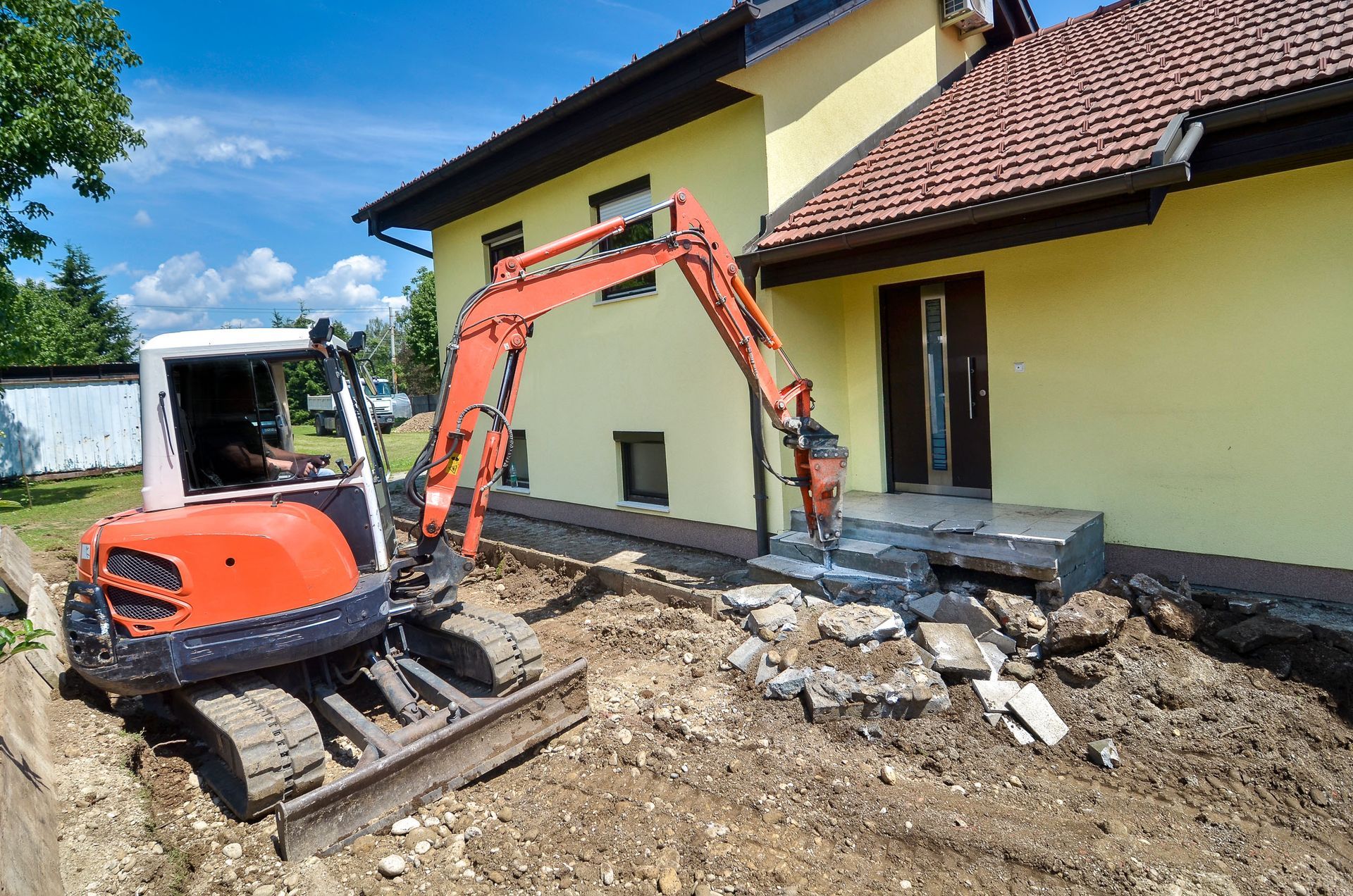
Excavation involves various techniques tailored to suit different environments and construction needs. The process typically starts with removing soil, rock, or other materials to form a cavity conducive to building. Techniques like trenching, digging, and tunneling are adapted based on the project's demands, each serving unique purposes to fulfill construction objectives. Advanced technology has also introduced equipment such as backhoes and excavators, enhancing efficiency and precision in excavation works. Understanding these techniques equips construction workers with the knowledge necessary to execute projects effectively and safely.
The Importance of a Proper Site Analysis
A thorough site analysis is indispensable before commencing excavation activities. This involves assessing the site's topography, soil composition, and environmental factors that might affect excavation. By understanding the site characteristics, construction teams can anticipate potential challenges, reducing risks associated with unexpected geological features. Proper site analysis aids in selecting suitable excavation techniques, ensuring the integrity of the foundation and overall structural stability. Failure to conduct comprehensive analysis can lead to severe repercussions such as structural failure and increased project costs.
Geological Considerations
Geological factors are critical in determining the excavation methodology for a construction project. Soil stability, rock formations, and water table levels can significantly influence the approach towards excavation. For instance, areas with unstable soil may require specialized shoring techniques to maintain trench walls and prevent collapse. Understanding these geological aspects enables engineers to design appropriate protective measures to ensure excavation safety and success. Trenches that are five feet deep or greater, according to OSHA, necessitate a protective system unless the excavation takes place entirely in stable rock, underscoring the importance of geological assessments.
How Soil Types Affect Excavation
Soil types play a pivotal role in influencing excavation strategies and the subsequent foundation design. Sandy soils, for example, may require additional shoring techniques to prevent collapsing during excavation. On the other hand, clayey soils, which shrink and expand with moisture changes, necessitate careful consideration of drainage systems to mitigate foundation movement. Engineers must tailor excavation techniques to suit the soil type, ensuring stability and longevity of the foundation. By understanding soil dynamics, construction teams can preemptively address issues that might jeopardize structural integrity.
Equipment Used in Excavation
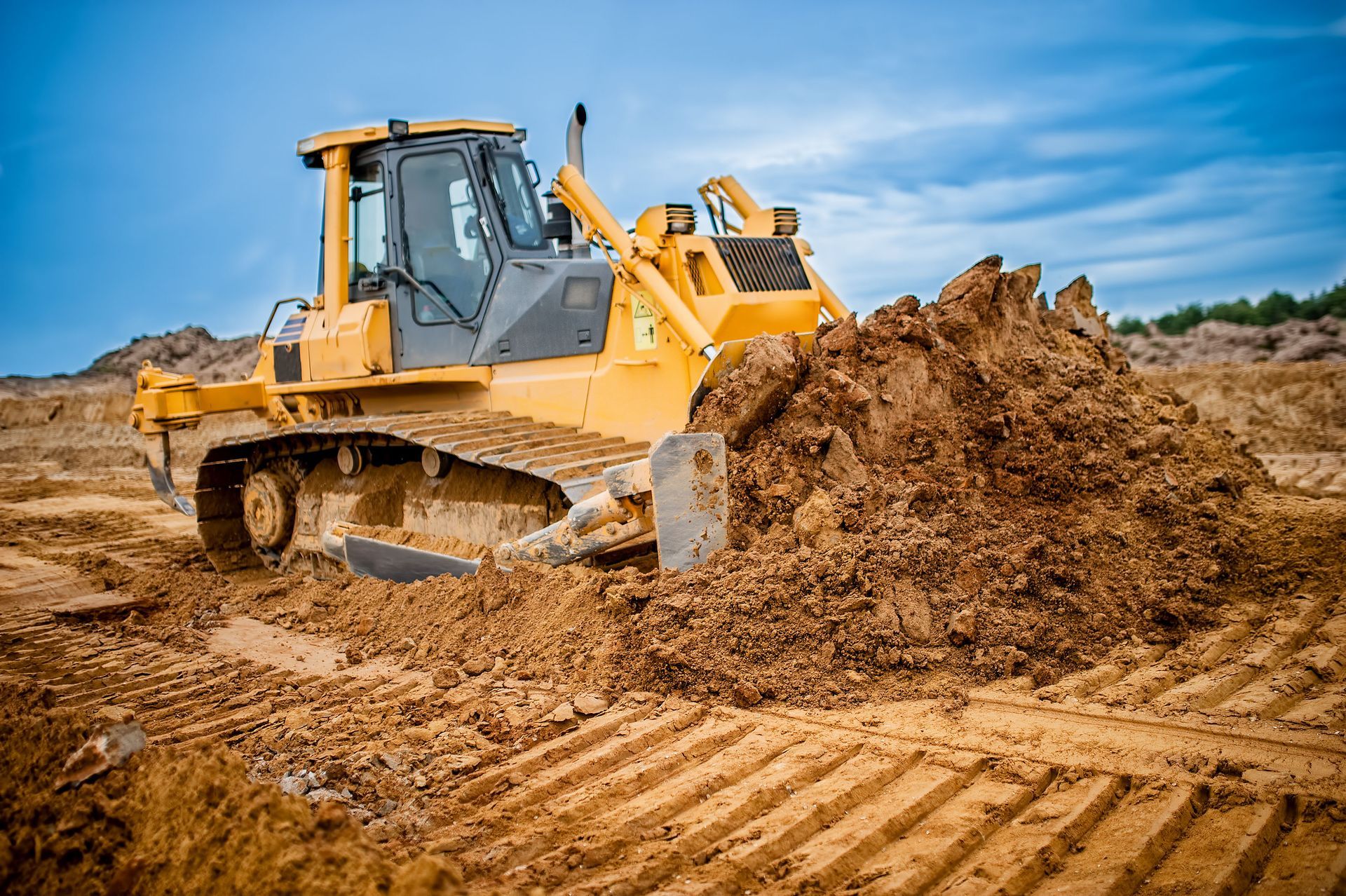
Excavation services rely heavily on a variety of machinery to effectively and efficiently prepare a site for construction. Equipment such as excavators, bulldozers, and trenchers facilitate the removal of earth and rocks, streamlining the excavation process. These machines are equipped with advanced technology, offering precision and power in diverse excavation scenarios. Choosing the appropriate equipment is essential in executing excavation tasks safely, keeping in mind site-specific considerations such as space and terrain. Proper equipment use not only enhances safety but also ensures thorough preparation for laying a solid foundation.
Potential Foundation Problems
Common Warning Signs in the Soil
Recognizing warning signs in the soil is crucial for anticipating and preventing foundation issues. Variations in soil texture and moisture content can indicate underlying problems such as poor drainage or erosion. Cracks in the soil surface may signal unstable conditions, prompting further investigation before construction proceeds. Experienced engineers can interpret these signs to adjust excavation strategies, thus maintaining foundation integrity. Addressing these early indicators ensures the prevention of more severe issues down the line.
The Role of Weather in Foundation Stability
Weather conditions profoundly impact the stability of a foundation, necessitating careful planning during the excavation phase. Temperature fluctuations can cause soil expansion and contraction, leading to differential settlement and structural stress. Precipitation affects soil moisture levels, which in turn can undermine or destabilize a foundation if not managed properly. By integrating weather considerations into excavation plans, engineers can implement protective measures such as drainage systems to mitigate potential adverse effects. Ensuring weather-resilient excavation practices is vital to preserving foundation stability over the long term.
Load-Bearing Issues
Load-bearing concerns are at the heart of foundation stability, influencing how forces are distributed throughout the structure. Identifying load paths and ensuring even weight distribution is essential during both the excavation and construction phases. Without proper load-bearing analysis, foundations may suffer from uneven pressure, leading to cracks or other structural deformations. Excavation efforts must be precise to prepare the ground for optimal load distribution, aligning with architectural and engineering plans. Accurate prediction and management of load-bearing factors with excavation services are fundamental in constructing a durable foundation.
The Role of Excavation in a Stable Foundation
Ground Preparation for Construction
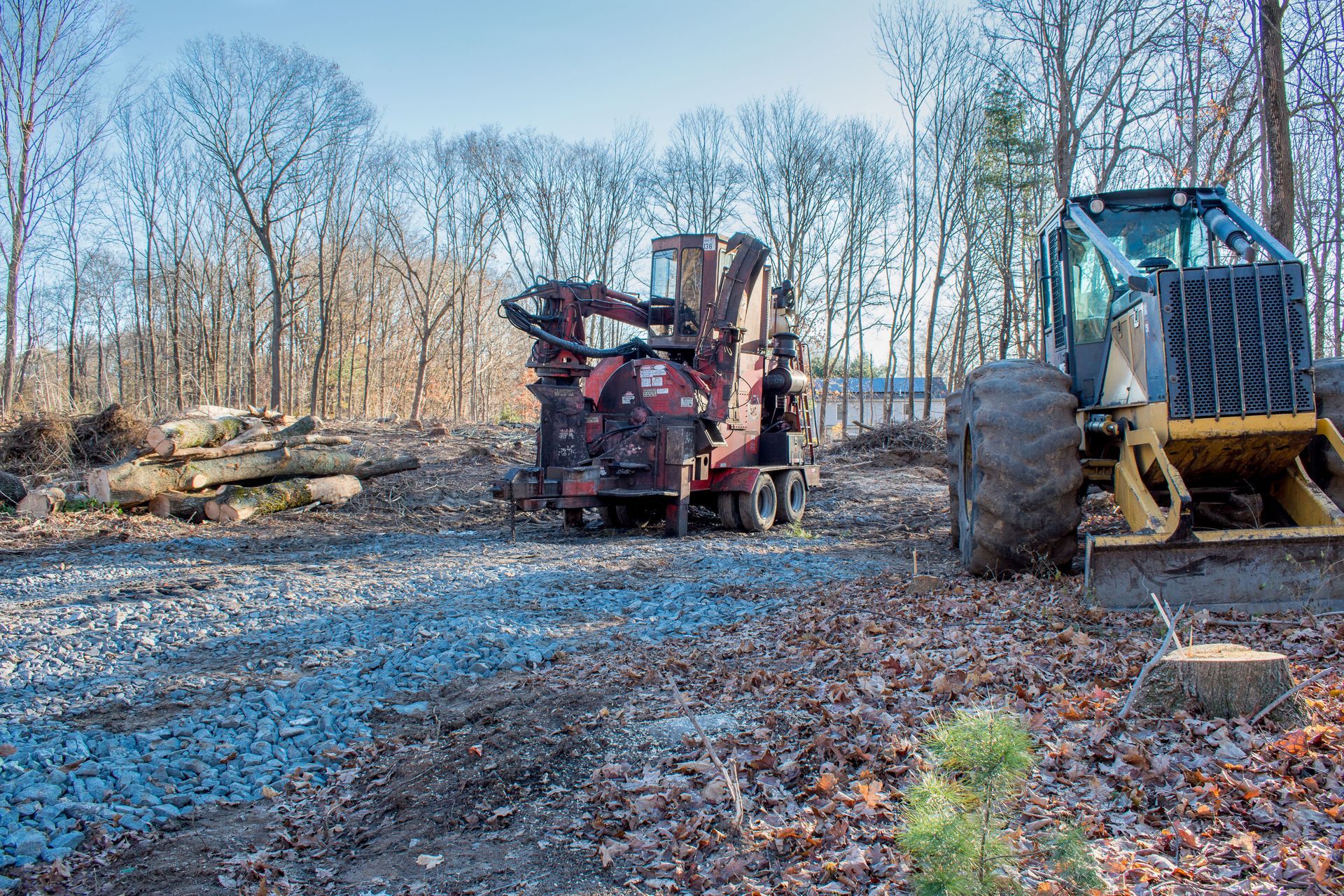
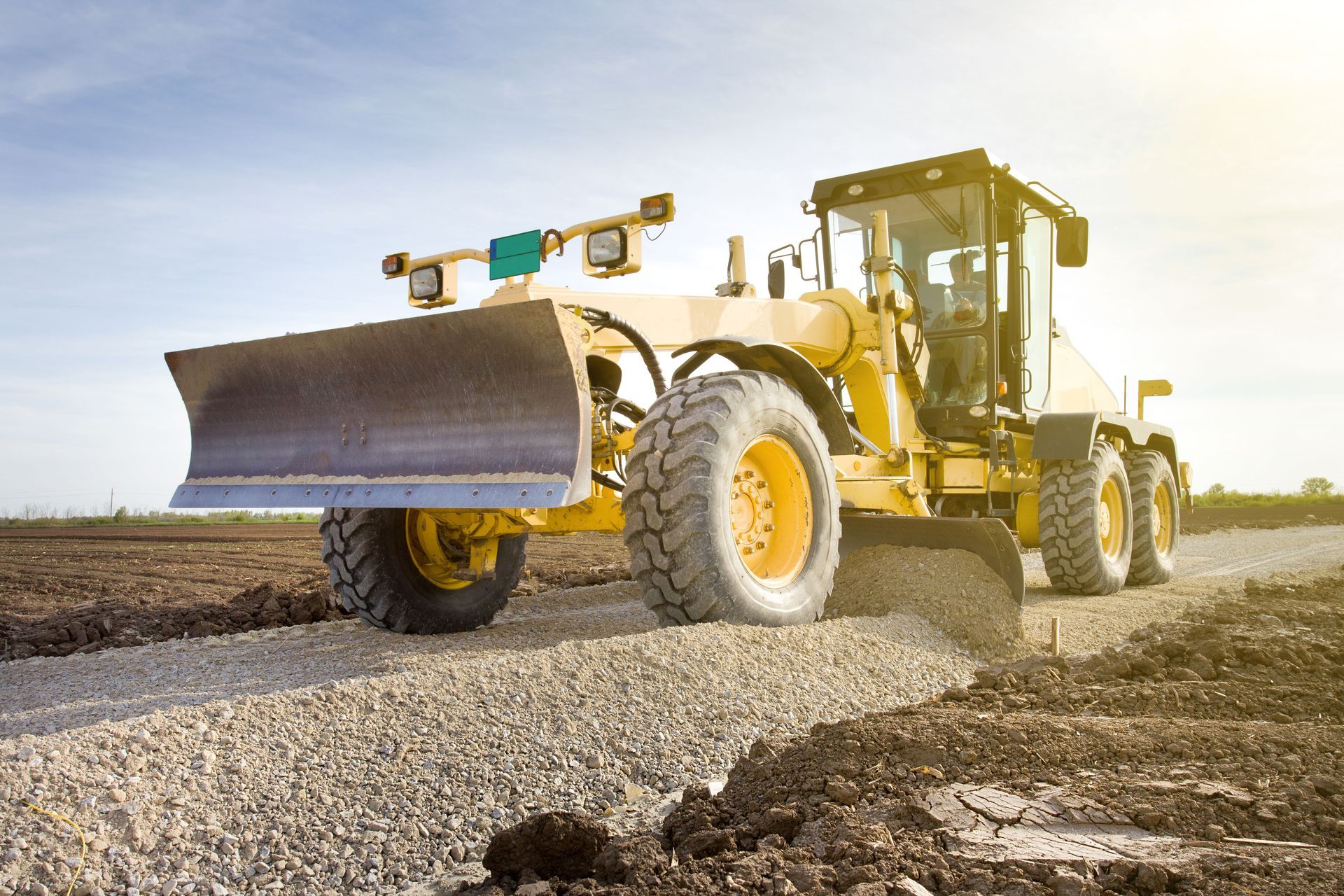
Excavation services set the stage for construction by creating a solid base upon which foundations are laid. This involves clearing the site of obstacles, leveling the ground, and ensuring proper soil compaction. Properly preparing the ground minimizes the risk of subsequent issues such as tilting or settling of structures. It also enables accurate application of architectural plans, ensuring that construction adheres to the intended designs.
Excavation and Load Distribution
The excavation phase is crucial for establishing an even load distribution across the foundation. By understanding the soil composition and structural demands, engineers can design foundations that distribute loads uniformly, avoiding stress concentrations. This is achieved through precise excavation and support systems, ensuring that the structure rests evenly on its foundation. Proper load distribution prevents settlement and differential movement, which can lead to structural failure.
Proper Drainage and Water Management
Water management is a critical consideration during excavation to prevent moisture-related foundation damage. By incorporating drainage solutions, excess water can be effectively diverted away from the construction site. Properly executing these drainage systems during excavation prevents water accumulation and subsequent foundation destabilization. Water management is an ongoing concern that must be integrated into the overall site design to maintain foundation stability.
Reinforcements and Supports
Reinforcements and supports are employed during excavation to enhance foundation strength and stability. Techniques such as underpinning and shoring are used to support existing structures and secure excavation sites, preventing cave-ins or instability. This proactive approach ensures the excavation process doesn't compromise neighboring buildings or land. Incorporating these reinforcements into excavation practices safeguards the integrity of multiple facets of the construction project.
Unique Environmental Challenges
Unique environmental challenges often dictate specific excavation approaches for safeguarding foundations. For example, building in seismically active areas requires amendments in excavation techniques to mitigate earthquake risks. Similarly, flood-prone areas demand robust water management and drainage solutions to prevent foundation erosion. Customized strategies are necessary to handle these challenges, ensuring safety and longevity of the structure.
Proper excavation is crucial for preventing future foundation issues and offers numerous immediate and long-term benefits. By hiring excavation services with the best practices and understanding the intricacies of excavation, builders and homeowners alike can ensure greater stability and longevity of their structures. For more information about our excavation services, contact Jackson Builders LLC today.