September 11, 2026
Commercial site development is a multifaceted endeavor that requires careful planning, coordination, and execution. It involves transforming a raw piece of land into a functional site, capable of supporting various commercial activities. This process requires collaboration across numerous disciplines, addressing every aspect from environmental concerns to regulatory compliance, ensuring a solid foundation for future construction and operation.
The initial stages of site development often set the tone for the entire project. From assessing the viability of the land through environmental impacts to obtaining necessary permits, each step is crucial. Mistakes or oversights at these stages can lead to significant complications down the line, underscoring the need for thoroughness and expertise from local general contractors at the outset.
This guide delves into the intricate steps involved in developing a commercial site, guiding you through critical phases from initial assessment to laying down a robust foundation. It highlights the importance of an integrated approach, considering all technical, legal, and environmental facets. Understanding these phases is essential for minimizing risks, optimizing costs, and ensuring timely project delivery.
1. Site Assessment and Planning
1.1 Conduct Feasibility Studies
Feasibility studies are foundational for any commercial site development project, determining whether the proposed development can be practically and economically viable. These studies encompass market research, financial analysis, and evaluations of legal considerations. Understanding the market demand, potential returns, and regulatory hurdles sets the stage for informed decision-making. Developers must consider zoning laws and environmental regulations, which impact the feasibility. Accurate assessments help avoid unsustainable commitments and ensure that resources are allocated efficiently.
1.2 Evaluate Environmental Impact
Environmental impact evaluation is a critical part of site development, identifying any potential adverse effects a project may have on its surroundings. Analyzing the natural ecosystem, wildlife habitats, and existing land conditions helps developers plan strategies to minimize ecological damage. Environmental assessments often require consultation with specialists to ensure compliance with regulations and sustainable practices. This proactive approach also aids in maintaining the integrity of local environments and averting legal disputes.
1.3 Create Site Maps and Design Plans
Site maps and design plans are visual representations that translate project feasibility into actionable frameworks. These documents detail the land's layout and proposed installations, marrying creative vision with engineering precision. Effective planning ensures that aspects like utility lines, access roads, and building placements optimize usability and reduce costs. For commercial properties, these plans must cater to tenant needs while maintaining compliance with zoning and safety regulations.
1.4 Obtain Necessary Permits and Approvals
Securing permits and approvals is an essential phase in site development, often governed by local, regional, and national authorities. Each jurisdiction has its own set of regulations that developers must follow. This includes building permits, environmental clearances, and zoning approvals, among others. Navigating this complex legal landscape demands careful documentation and application processes. Partnerships with local government officials or hiring consultants with experience in permit acquisition can expedite approvals and reduce delays.
1.5 Assemble a Competent Project Team
Assembling a competent project team is essential for executing complex commercial site development projects. The team typically includes project managers, architects, engineers, legal consultants, environmental specialists, and contractors. Each member brings specialized knowledge necessary for addressing specific facets of the development process seamlessly. Effective communication and coordination among team members streamline operations and significantly enhance project efficiency. Partnering with seasoned local general contractors ensures high standards are maintained throughout planning, execution, and post-construction phases.
2. Lot Clearing and Preparation
2.1 Survey and Mark Property Boundaries
Surveying and marking property boundaries is a fundamental preparatory step to minimize disputes and ensure project accuracy. This process involves professional surveyors who use precise tools and techniques to define land limits accurately. Clear demarcation of property lines helps to prevent legal issues related to encroachments and ownership disputes. Understanding the precise layout of the land facilitates effective planning and space utilization throughout construction phases. Proper marker placements serve as reference points for subsequent developmental activities and guide real estate transactions.
2.2 Remove Existing Structures and Vegetation
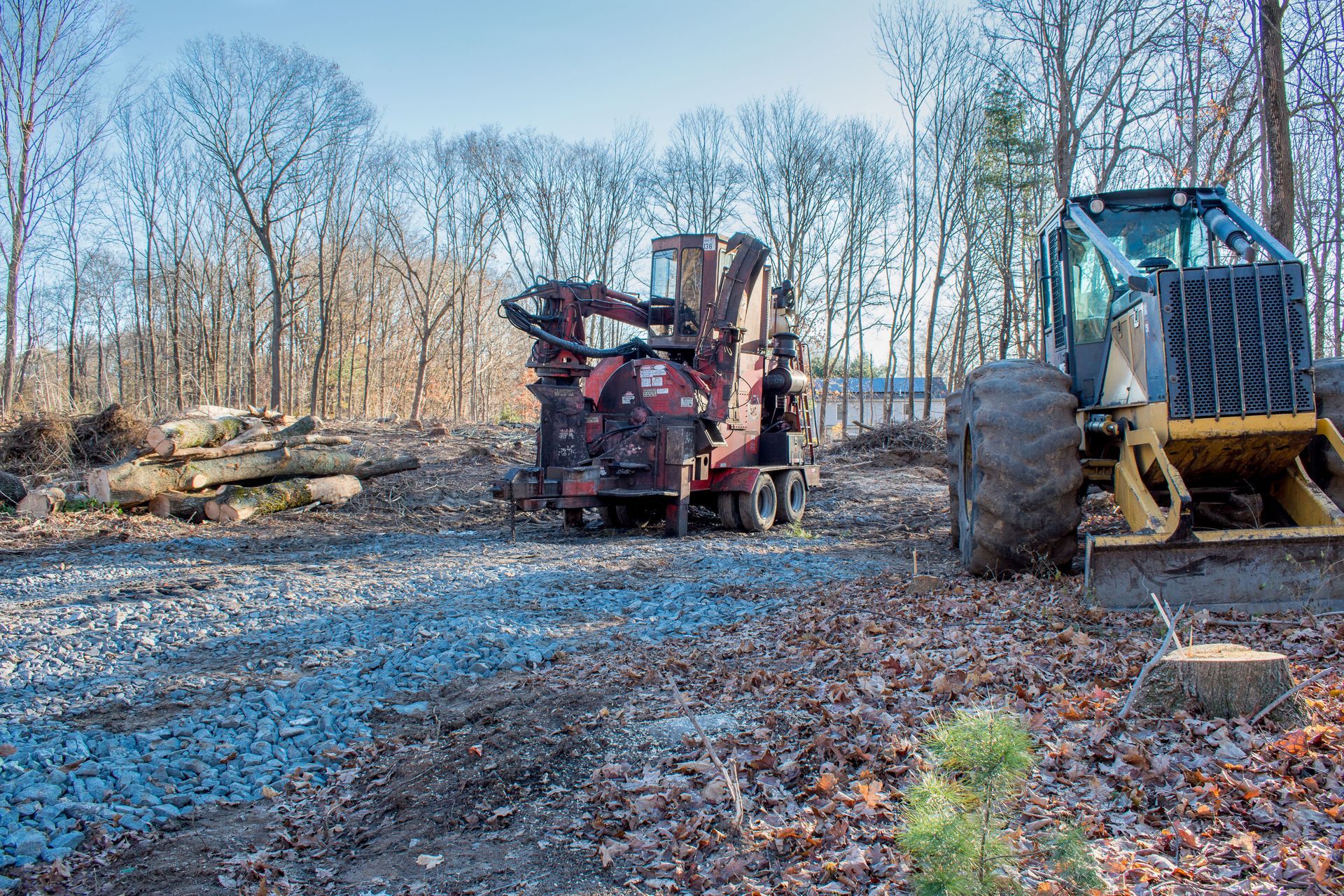
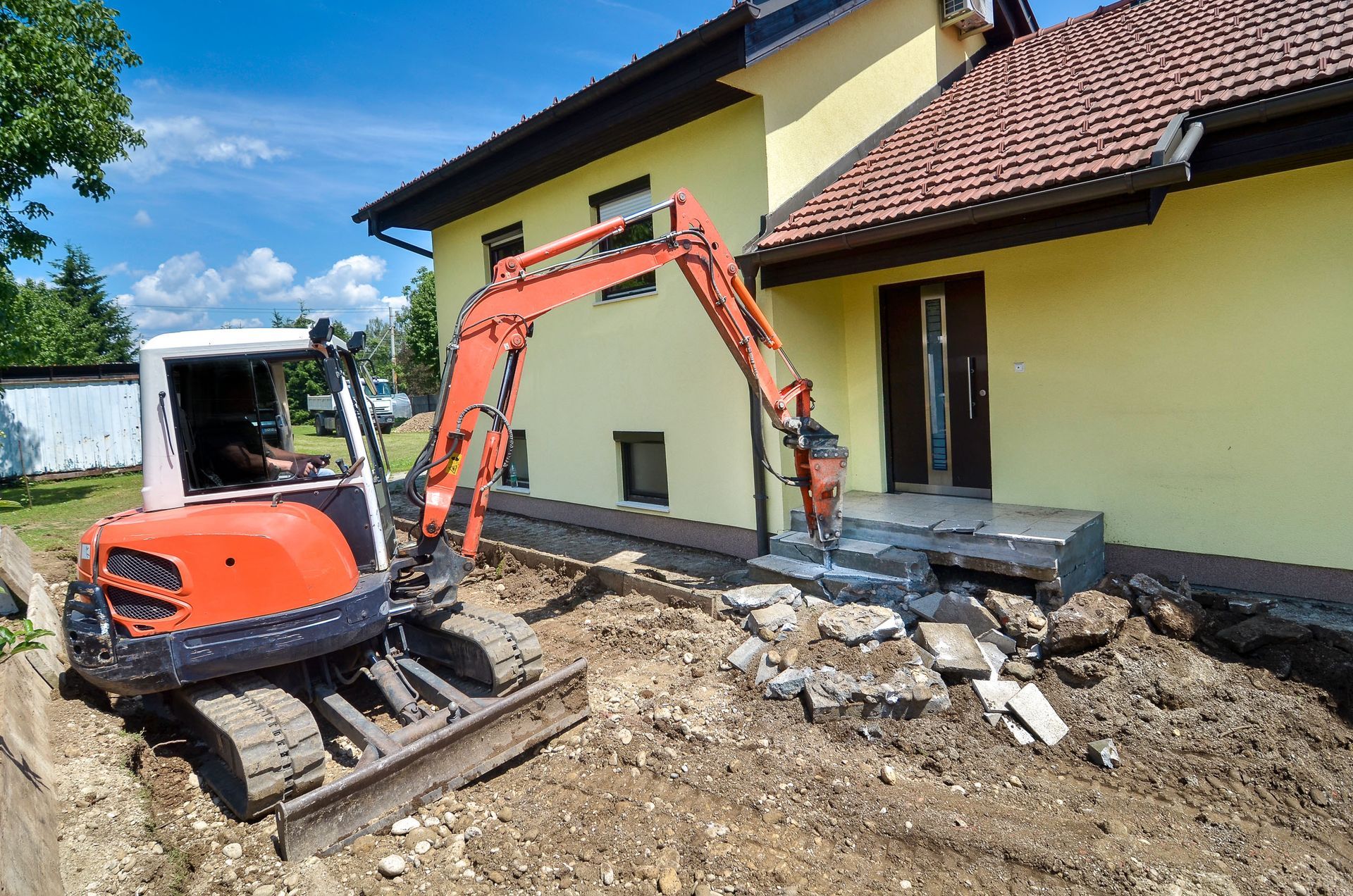
Removing existing structures and vegetation is a crucial phase to prepare the site for new development. This includes demolishing old buildings, clearing brush, and eliminating invasive plant species safely and efficiently. Such clearances pave the way for new construction, eliminating obstacles that could impede infrastructural advancements. Experienced local general contractors ensure each demolition step considers environmental impacts and safety regulations, adhering to sustainable disposal practices for hazardous materials. Precision in this task prevents accidental damage to preserved landscapes or adjacent structures.
2.3 Grade the Land for Slope and Drainage
Grading the land for slope and drainage is a pivotal task in preparing a commercial site. Effective grading ensures that the site is physically stable and optimally configured to manage water runoff efficiently. By hiring knowledgeable local general contractors to shape the land's surface, developers address potential challenges like erosion, site flooding, and subsidence. Controlled drainage installations prevent water from pooling around foundations, which could compromise structural integrity. Grading takes into account the locale's topography, meaning projects on sloped sites often benefit from land terracing.
According to the Natural Resources Conservation Service, techniques like land terracing and contour shaping significantly diminish erosion and sediment transport by up to 80%. These strategies contribute to maintaining the site's ecological balance, reducing the environmental footprint of new developments. Implementing grading effectively fosters a harmonious blend between anthropogenic projects and natural settings. Thus, thought-out grading plans safeguard against landscape degradation, supporting long-term site stability. Engineering slopes comfortably balance construction needs with natural drainage patterns.
2.4 Implement Erosion Control Measures
Implementing erosion control measures is crucial to preserve soil integrity during the site preparation phase. These measures include deploying silt fences, applying ground covers, and constructing retaining walls to mitigate soil movement. Mitigating erosion helps maintain landform stability, reducing sediment disposal into surrounding water bodies and adverse environmental impacts. Erosion prevention strategies ensure compliance with environmental regulations and promote sustainable construction practices. Development on sloped terrain significantly benefits from these measures, ensuring proper management of surface water runoff.
2.5 Prepare the Land for Utilities Installation
Preparing the land for utilities installation is essential to cultivate an infrastructure-ready site that aligns with future construction needs. Utility preparations include ensuring access to essential services like electricity, water, sewage, and telecommunications, which are key to commercial functionality. During this phase, working alongside licensed local general contractors ensures seamless mapping and coordination of utility lines to minimize interference with structural elements. Efficiency in this integration forms a bedrock for logistical ease during future expansion or maintenance activities.
3. Infrastructure Development
3.1 Plan for Roads and Access Points
Planning for roads and access points is critical in determining the layout and flow of commercial developments. Properly designed road networks facilitate efficient traffic movement, accommodating both vehicular and pedestrian needs. Integrating public transit options and non-motorized routes promotes accessibility and encourages sustainable commuting practices. Relying on local general contractors for strategic road planning incorporates regulations for safety standards, ensuring protection for occupants and visitors alike. An emphasis on strategic connectivity enhances site attractiveness, fostering commercial growth and interaction opportunities.
3.2 Establish Drainage and Sewer Systems
Establishing drainage and sewer systems is crucial for maintaining effective water management throughout commercial sites. Drainage structures, including stormwater channels and detention ponds, are engineered to direct water flow away from foundations. Sewer systems handle wastewater efficiently, incorporating treatment facilities where necessary to maintain sanitation standards. Proper integration reduces the risk of flood-related damage, prolonging building life cycles and ensuring user safety. Infrastructure planning includes accommodating increasing urbanization, forecasting capacities to service future needs sustainably.
3.3 Set Up Electrical and Water Systems
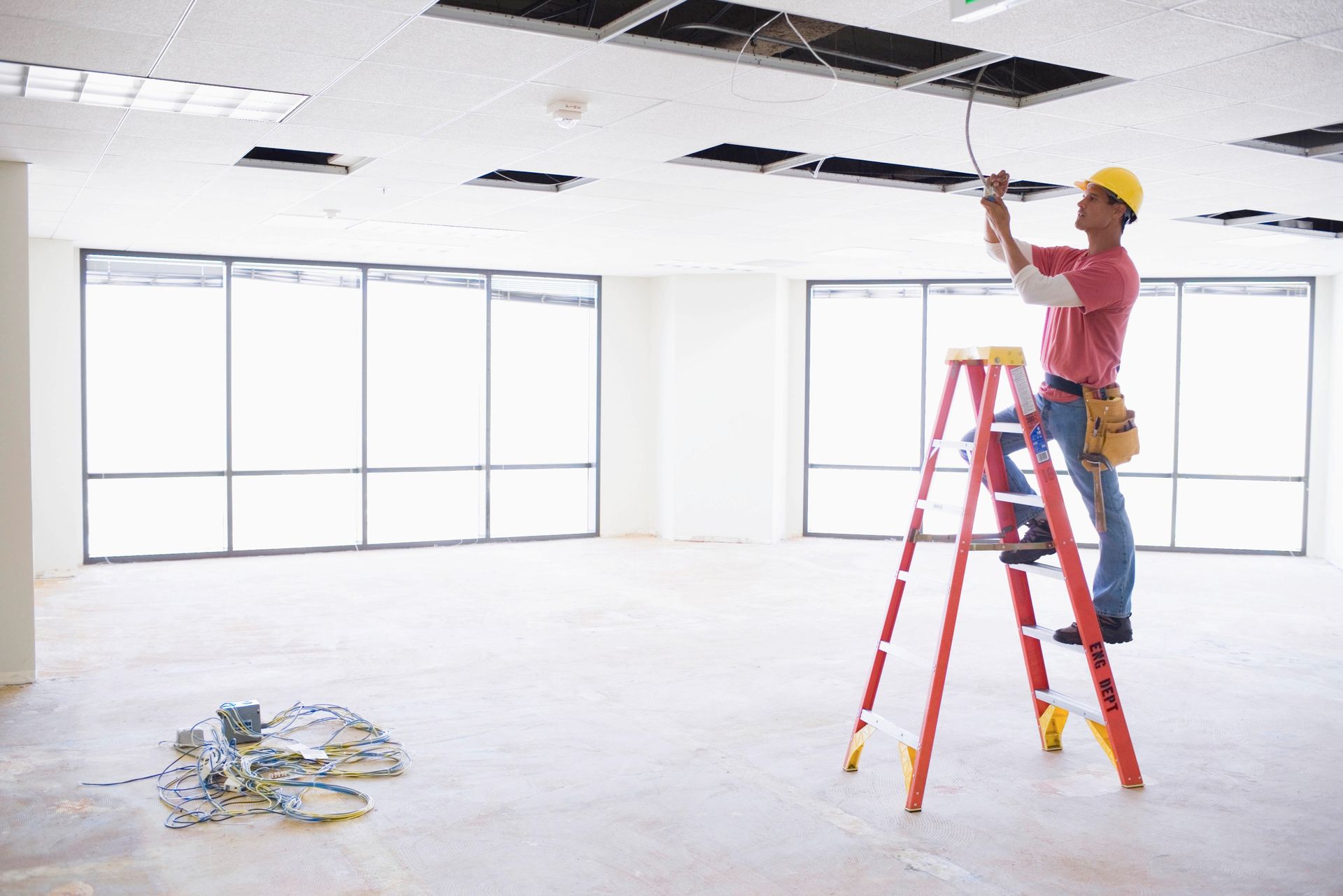
Setting up electrical and water systems forms the operational backbone of any commercial property. Electrical installations provide power for workspaces, appliances, and lighting, essential for functional business operations. Water systems facilitate necessary human and building requirements, providing sanitation, heating, and emergency services continuity. Integrating these utilities involves careful design to ensure safety, compliance, and efficiency. Trusted local general contractors aim to future-proof these installations, anticipating technological advancements and consumption shifts over the property's lifespan.
Successfully executing a commercial site development project requires an intricate balance of technical expertise, regulatory compliance, heavy earthmoving, and continuous project oversight. Partnering with skilled local general contractors minimizes unexpected downtime, prevents regulatory hurdles, and ensures that your property is thoroughly prepared for long-term commercial success. Contact Jackson Builders LLC today to schedule a project consultation and lay the groundwork for your next commercial build.